THROAT CANCER SURGERY TREATMENT CARE

THROAT CANCER SURGERY TREATMENT CARE
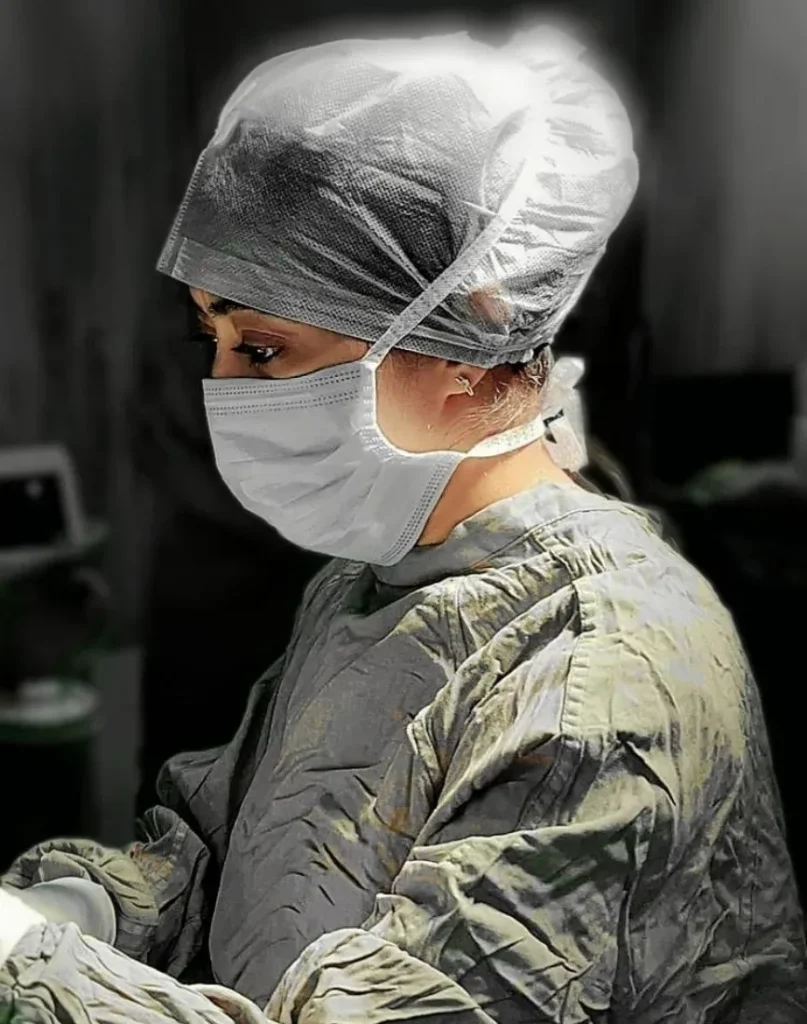
Best Throat Cancer Surgeon in Ahmedabad
Dr. Natasha Lalwani is a trusted throat cancer specialist in Ahmedabad, managing early and advanced throat cancers through well-planned surgical treatment. Her experience in head and neck cancer surgery allows patients to receive clear guidance, careful care, and consistent follow-up throughout recovery.
What is Throat cancer?
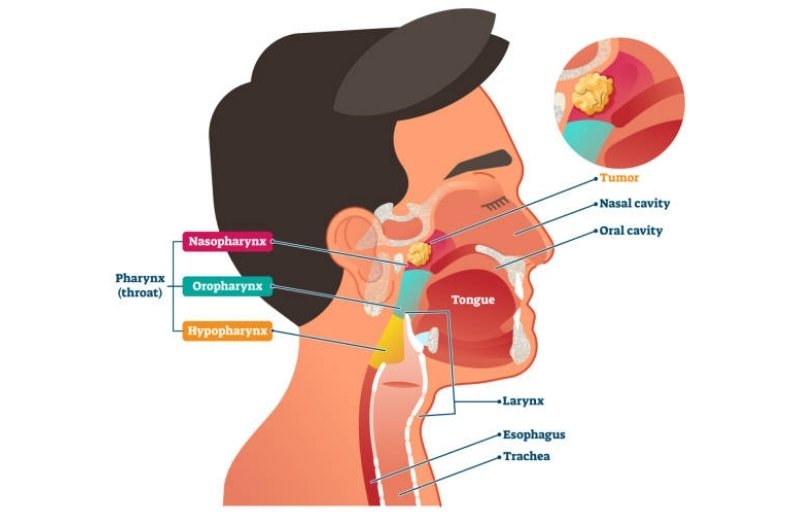
Throat cancer is a type of head and neck cancer that develops when abnormal cells form a cancerous tumor in the pharynx or larynx, including the nasopharynx, oropharynx, and hypopharynx, and may lead to persistent sore throat, changes in voice, difficulty swallowing, or a lump in the neck. Early detection through proper diagnosis and timely referral to the best throat cancer surgeon in Ahmedabad is crucial, as prompt throat cancer treatment and throat cancer surgery significantly improve outcomes and quality of life for patients facing this serious condition.
THROAT CANCER
Signs & Symptoms
Throat cancer may show warning signs early on, but many symptoms overlap with common throat conditions. Recognizing them helps in early diagnosis and better outcomes.
Persistent Sore Throat
A persistent sore throat which does not heal despite the use of medications.
Lump in the Neck
Any lump or mass in the neck can signify the possibility of spreading to the lymph nodes.
Ear Pain (Referred Pain)
Pain in one ear without an apparent cause is usually associated with nerve issues.
Difficulty Swallowing (Dysphagia)
Pain or discomfort during eating or drinking frequently becomes more severe with time.
Voice Changes or Hoarseness
Lasting voice change in tone, pitch and or hoarseness over more than 2 weeks.
Coughing up Blood (Hemoptysis)
Blood found in saliva or a cough that cannot be ignored.
THROAT CANCER
Causes & Risk Factors
Several lifestyle, environmental, and biological factors increase the likelihood of developing throat cancer. Avoiding risks can help in prevention.
Tobacco Use (Smoking or Chewing)
This is the most substantial risk factor because the harmful chemicals destroy the lining of the throat.
HPV Infection (Human Papillomavirus)
A widespread sexually transmitted disease associated with cancer of the throat and tonsils.
Poor Oral & Dental Hygiene
Chronic irritation caused by infections, bad teeth and gums, or poorly fitting dentures can provoke changes.
Family History of Cancer
It is a condition that can be inherited or predisposed to by mutations.
Alcohol Consumption
Excessive drinking, particularly in combination with tobacco, increases the risk of cancer.
Weak Immune System
Individuals with poor immunity because of disease or medicine are more susceptible.
Treatment Options
Tumor Resection
Laser Surgery
Neck Dissection
Partial/Total Pharyngectomy
Microvascular Free Flap Reconstruction
Treatment Options
Tumor Resection
Laser Surgery
Partial/Total Pharyngectomy
Neck Dissection
Microvascular Free Flap Reconstruction
Surgical Resection & Reconstruction
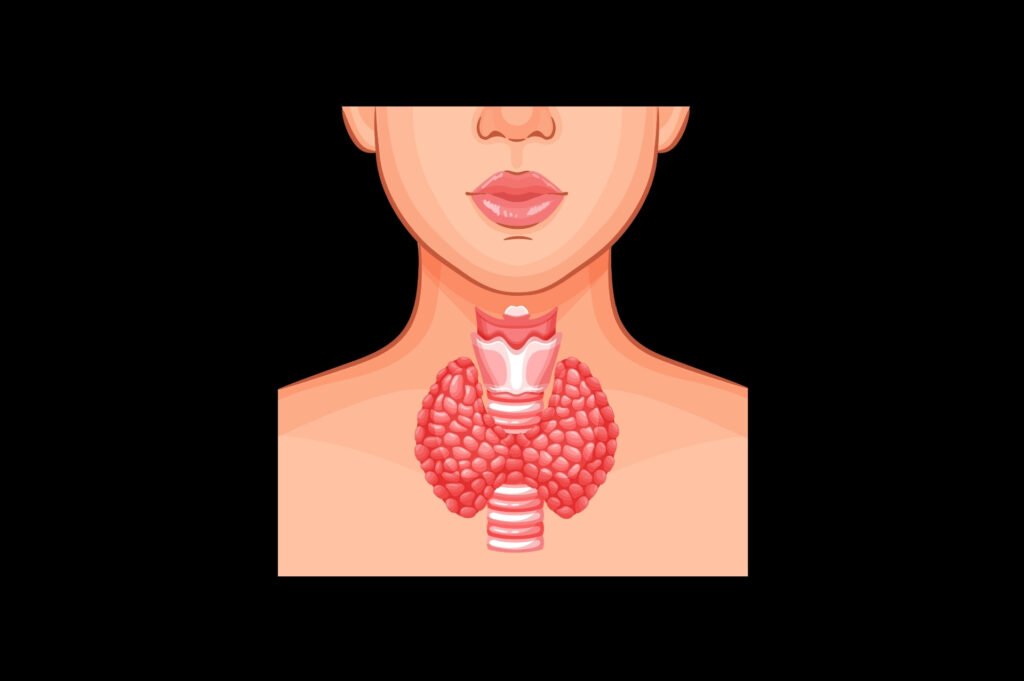
Surgery for throat cancer focuses on removing the tumor while protecting vital functions like breathing, swallowing, and speaking. The reconstruction stage helps restore appearance and functionality to support long-term quality of life.
Partial Pharyngectomy – In early-stage cancer, only the affected portion of the throat is removed while preserving normal swallowing.
Total Pharyngectomy – In advanced cases, the entire throat lining may be removed and later reconstructed to allow swallowing.
Neck Dissection – Lymph nodes from the neck are removed if cancer has spread, reducing the risk of recurrence and metastasis.
Laryngopharyngectomy – If the tumor involves both the throat and voice box, combined removal of the pharynx and larynx may be necessary.
Local Flap Reconstruction – Small defects can be closed using nearby throat or oral tissue, ensuring quicker recovery.
Regional Flap Reconstruction – Tissue from areas such as the chest (pectoralis flap) is rotated into the throat for larger reconstructions.
Free Flap Reconstruction (Microvascular Surgery) – Tissue from distant sites (like forearm, thigh, or intestine) is transplanted with blood vessels to rebuild the throat and restore swallowing function.
Speech Therapy – For patients who lose part of their voice box, therapy and voice prosthesis training help restore communication.
Swallowing Rehabilitation – Special exercises and diet modifications allow patients to regain safe swallowing function.
Breathing Support – A temporary tracheostomy (windpipe opening) may be required to help with breathing during recovery.
Emotional & Psychological Care – Counseling supports patients in coping with lifestyle changes, including altered speech and eating patterns.
Why To Consult Dr. Natasha Lalwani?
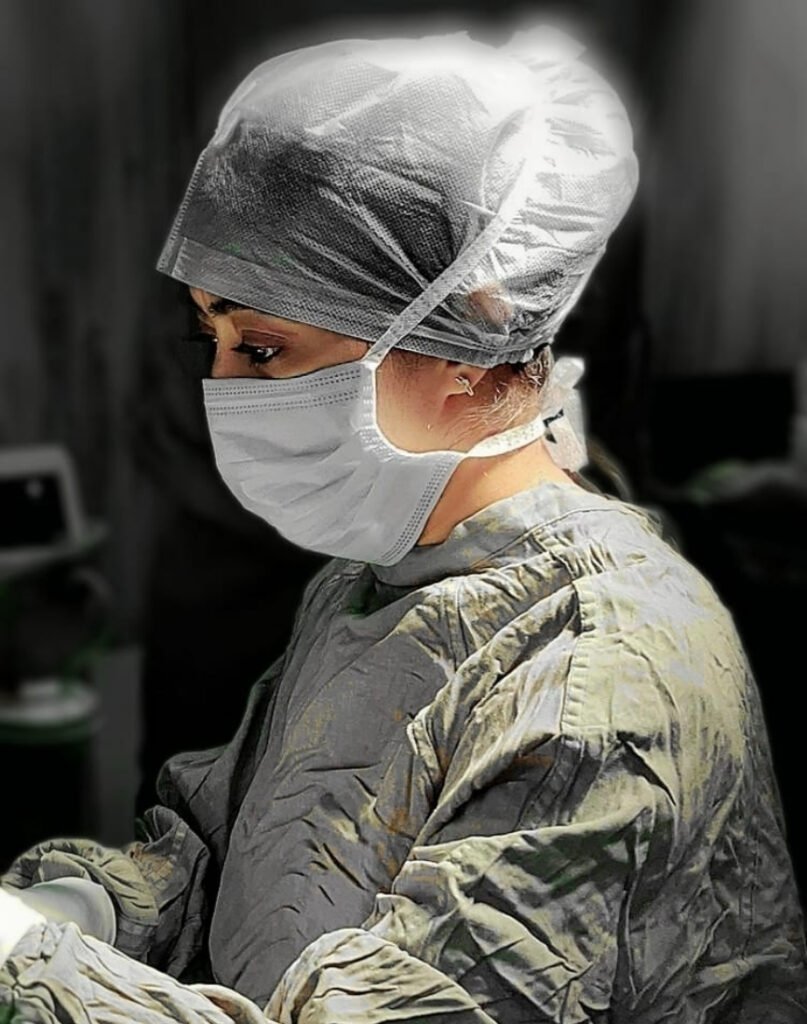
Throat cancer can be treated successfully if detected early. My goal is not just to remove the disease - but to help you speak, eat, and live with confidence again.”
~ DR. NATASHA LALWANI
Throat cancer can be treated successfully if detected early. My goal is not just to remove the disease - but to help you speak, eat, and live with confidence again.”
~ DR. NATASHA LALWANI
Take Action Today
Think your symptoms might be serious? Don’t wait.
Book your consultation with Dr. Natasha and take the first step toward healing.
Frequently Asked Questions About Throat Cancer Treatment
Get clear answers to common questions about throat cancer, including symptoms, diagnosis, treatment options, surgery, recovery, and prevention. Learn from a trusted throat cancer specialist to make informed decisions about timely and effective care.
Throat cancer develops in the pharynx, including the nasopharynx, oropharynx, or hypopharynx. It can affect speech, swallowing, and breathing. Early diagnosis by a throat cancer specialist is essential for effective treatment and better recovery outcomes.
Common throat cancer symptoms include persistent sore throat, difficulty swallowing, voice changes, ear pain, a neck lump, or unexplained weight loss. If these symptoms last more than two weeks, consulting a throat cancer surgeon is strongly advised.
Throat cancer diagnosis involves a clinical examination, endoscopy, imaging tests such as CT or MRI scans, and biopsy. Accurate staging helps plan the most appropriate throat cancer treatment or surgery based on disease severity.
Throat cancer treatment depends on the cancer stage and location. Options may include throat cancer surgery, radiation therapy, chemotherapy, or a combination approach. Surgery aims to remove the tumor while preserving speech and swallowing functions whenever possible.
Consulting the best throat cancer surgeon in Ahmedabad ensures expert evaluation, safe surgical planning, and focused care for both cancer removal and functional recovery. Experienced surgical management plays a key role in improving long-term quality of life after treatment.
Dr. Natasha Lalwani, recognized as the best throat cancer surgeon in Ahmedabad, provides personalized surgical care focused on complete tumor removal, preserving voice, swallowing, and airway functions. She ensures ongoing support and follow-up throughout recovery.