
LARYNGEAL CANCER
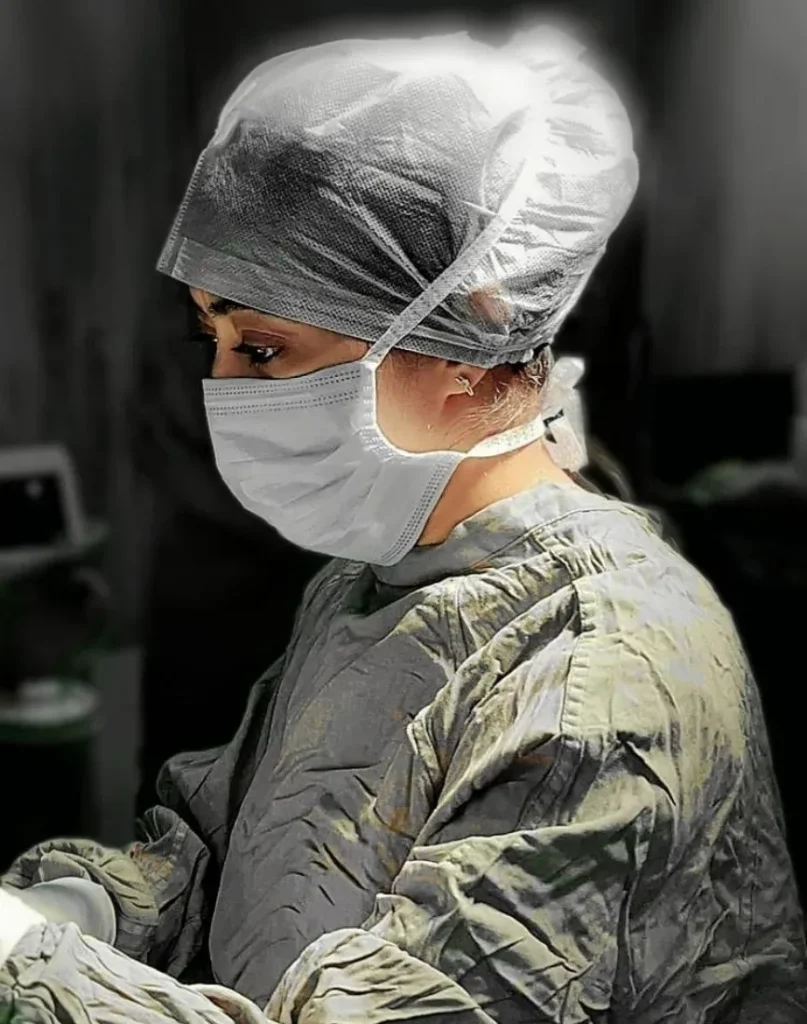
Best Laryngeal Cancer Surgeon in Ahmedabad
Dr. Natasha Lalwani is regarded as the best laryngeal cancer surgeon in Ahmedabad, providing specialized care for cancers of the voice box and surrounding throat structures. With strong expertise in head and neck cancer surgery, she manages both early and advanced laryngeal cancer through carefully planned surgical treatment focused on voice, breathing, and swallowing preservation. Patients benefit from clear explanations, attentive care, and regular follow-up throughout laryngeal cancer treatment and recovery.
What is LARYNGEAL cancer?
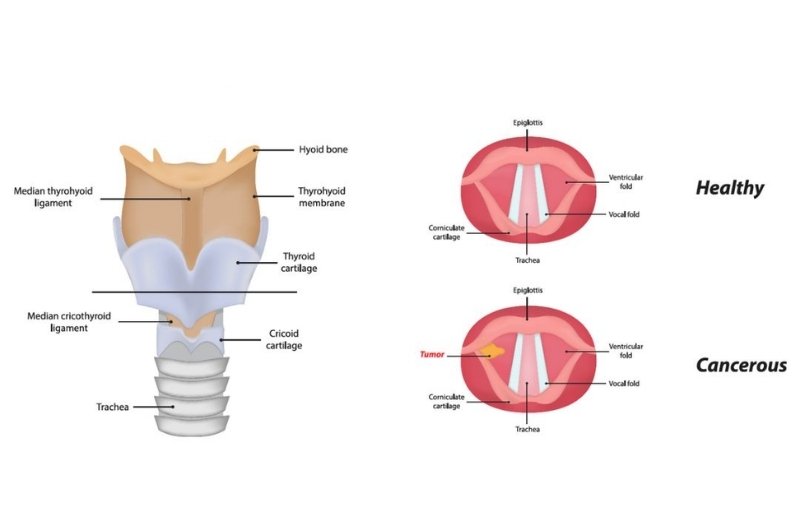
Laryngeal cancer is a form of throat cancer that originates in the larynx, also known as the voice box, an organ essential for breathing, speech, and airway protection during swallowing. When cancer develops in this region, it can cause symptoms such as persistent voice changes, difficulty swallowing, or breathing discomfort. Early detection and timely laryngeal cancer treatment, especially appropriate surgical intervention, are crucial for effective disease control and for preserving vital functions including speech quality and airway safety.
LARYNGEAL CANCER
Signs & Symptoms
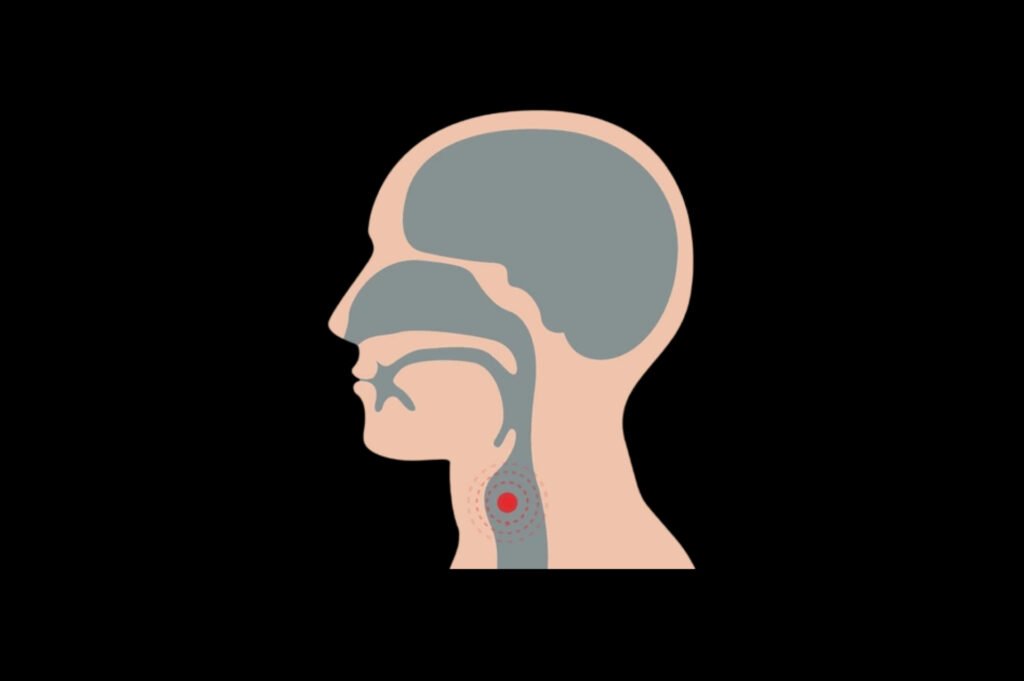
Laryngeal cancer affects the voice box and surrounding structures, often causing symptoms such as persistent voice changes, difficulty in swallowing, or breathing discomfort. Early diagnosis and timely laryngeal cancer treatment under the care of an experienced Laryngeal Cancer Surgeon in Ahmedabad are essential for effective disease control, better recovery, and preservation of vital functions such as speech, swallowing, and airway safety.
Hoarseness or Voice Changes
This includes persistent hoarseness, voice changes in pitch, or a weak voice lasting longer than 2-3 weeks.
Difficulty Swallowing (Dysphagia)
Pain, choking or the feeling that food is stuck in the throat when swallowing.
Persistent Cough or Coughing Up Blood
Continuous cough, sometimes with traces of blood, which is an indication of airway involvement.
Lump in the Neck
This is swollen lymph nodes that show that the cancer may have spread outside the larynx.
Sore Throat or Throat Pain
Prolonged pain in the throat that is not relieved by regular medicines.
Ear Pain (Referred Pain)
Pain in one or both ears that happens without any known reason is caused by the involvement of nerves by a tumour.
LARYNGEAL CANCER
CAUSES & RISK FACTORS
The risk of developing laryngeal cancer increases due to factors such as tobacco use, alcohol consumption, prolonged voice strain, exposure to environmental pollutants, viral infections, and genetic predisposition. Awareness of these risk factors helps in early detection, timely laryngeal cancer diagnosis, and appropriate laryngeal cancer treatment, leading to improved surgical outcomes and better long-term recovery.
Tobacco Use (Smoking or Chewing)
It is the most common risk factor because tobacco chemicals irritate and damage the tissues of the larynx.
HPV Infection (Human Papillomavirus)
Some strains of HPV are associated with laryngeal and other cancers of the head and neck.
Poor Oral Hygiene & Chronic Irritation
The constant irritation of dental problems or infections can lead to abnormal cell development.
Family History of Cancer
The genetic predisposition can be a predisposing factor to laryngeal tumours.
Alcohol Consumption
Excessive drinking, particularly in combination with tobacco use, is a significant risk factor in cancer development.
Weak Immune System
Immunocompromised persons are more prone to abnormal cell growth.
Laryngeal Cancer Treatment Options by Expert Laryngeal Cancer Surgeons
Laryngectomy (Partial/Total)
Endoscopic Laser Surgery
Neck Dissection
Voice Rehabilitation
Microvascular Free Flap Reconstruction
Laryngeal Cancer Treatment Options by Expert Laryngeal Cancer Surgeons
Laryngectomy (Partial/Total)
Endoscopic Laser Surgery
Neck Dissection
Voice Rehabilitation
Microvascular Free Flap Reconstruction
LARYNGEAL CANCER
Surgery for laryngeal cancer focuses on removing the tumor while preserving essential functions such as voice, swallowing, and breathing. The type of surgical procedure depends on the stage and extent of the cancer, with tailored resections and reconstructive techniques used to restore vital functions and enhance the patient’s quality of life.
- Cordectomy – Removal of one or both vocal cords when cancer is limited to the cords, often preserving voice in early stages.
Partial Laryngectomy – Only the diseased part of the larynx is removed while keeping the rest intact, maintaining speech and swallowing.
Total Laryngectomy – The entire larynx (voice box) is removed in advanced cancers; patients will breathe through a permanent tracheostomy.
Neck Dissection – Lymph nodes are removed if cancer has spread to the neck, lowering the risk of recurrence.
Local Flap Reconstruction – Small defects after partial laryngectomy can be closed with nearby tissue, ensuring natural healing.
Regional Flap Reconstruction – Tissue from nearby areas such as the chest (pectoralis major flap) can be rotated to reconstruct larger laryngeal defects.
Free Flap Reconstruction (Microvascular Surgery) – Tissue from distant parts of the body (like forearm or thigh) is transplanted with blood vessels to rebuild the voice box and throat, allowing better swallowing and function.
Voice Rehabilitation – Patients may use voice prosthesis (tracheoesophageal puncture), electrolarynx, or speech therapy to regain communication.
Swallowing Therapy – Special exercises help restore safe and comfortable swallowing.
Breathing Support – A tracheostomy may be temporary or permanent, depending on the type of surgery.
Emotional & Psychological Care – Support groups and counseling help patients adapt to changes in speech, appearance, and daily life.
Why To Consult Dr. Natasha Lalwani?

Laryngeal cancer affects more than the body - it can affect identity, voice, and confidence. I aim to treat it with precision while helping you regain your voice - both physically and emotionally
~ DR. NATASHA LALWANI
Laryngeal cancer affects more than the body - it can affect identity, voice, and confidence. I aim to treat it with precision while helping you regain your voice - both physically and emotionally
~ DR. NATASHA LALWANI
Don’t Ignore Voice Changes
Persistent hoarseness or throat discomfort? Get checked today.
Book your consultation with Dr. Natasha for early, expert intervention.
Frequently Asked Questions About LARYNGEAL CANCER Treatment
Get clear answers to common oral cancer questions, including symptoms, diagnosis, surgery, recovery, and prevention. Learn from an experienced oral cancer surgeon in Ahmedabad to make confident decisions about your treatment.
Laryngeal cancer develops in the larynx (voice box), which plays a vital role in speaking, breathing, and swallowing. It can affect the vocal cords, supraglottis, or subglottis, and requires timely laryngeal cancer treatment for better outcomes.
Common early signs include persistent hoarseness, voice changes, throat pain, difficulty swallowing, breathing discomfort, or a lump in the neck. If symptoms last more than two weeks, evaluation by a laryngeal cancer specialist is advised.
Laryngeal cancer causes include smoking, tobacco chewing, alcohol use, prolonged voice strain, exposure to pollutants, HPV infection, and poor nutrition. Reducing these risk factors helps in prevention and early diagnosis.
Laryngeal cancer treatment may involve surgery, radiation therapy, or a combination of both, depending on the stage. Advanced laryngeal cancer surgery focuses on tumor removal while preserving speech, swallowing, and breathing functions whenever possible.
While not all oral cancers can be prevented, risk can be reduced by avoiding tobacco, limiting alcohol consumption, maintaining oral hygiene, and regular check-ups with a trusted oral cancer specialist. Early detection is key.
Choosing the Best Laryngeal Cancer Surgeon in Ahmedabad, such as Dr. Natasha Lalwani, ensures focused expertise in head and neck cancer surgery, careful treatment planning, and dedicated support throughout surgery, recovery, and rehabilitation.