SALIVARY GLAND CANCER CANCER CANCER
SALIVARY GLAND CANCER CANCER CANCER
What is SALIVARY GLAND cancer?
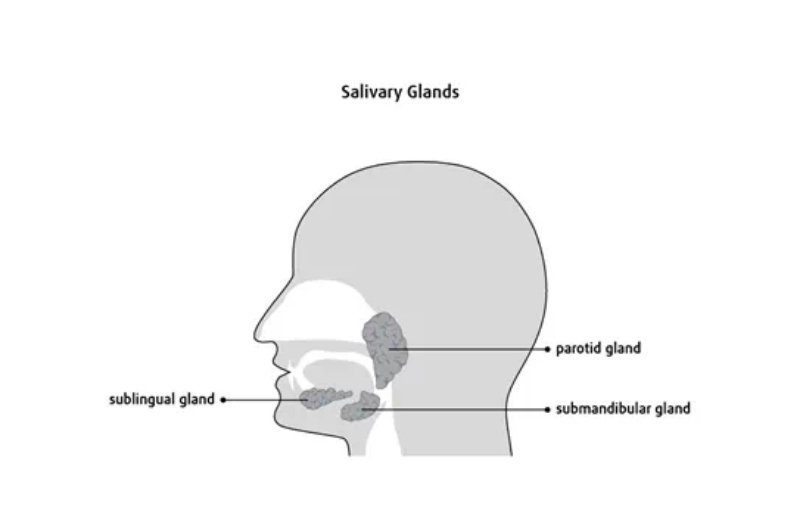
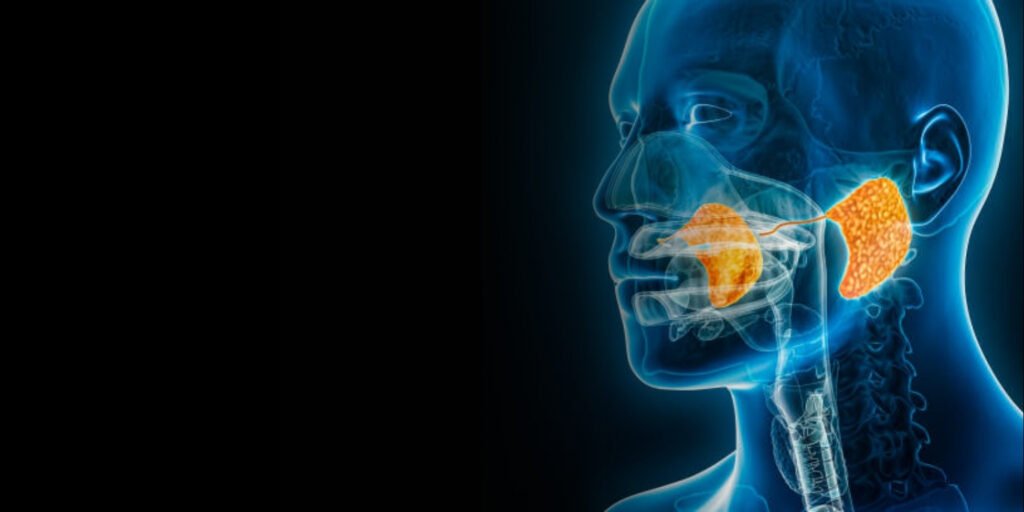
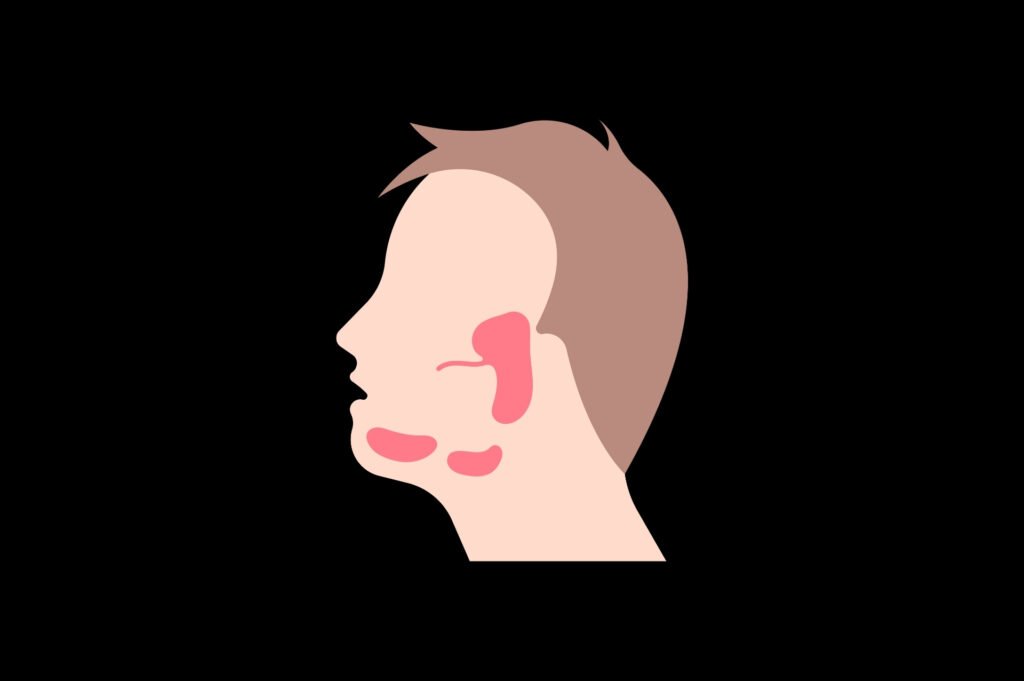
Salivary gland cancer occurs in glands that produce saliva in the mouth and the throat -the parotid, submandibular and the sublingual glands. These tumors are rare, but they can impact the movement of the face as well as the appearance and other essential functions such as eating and talking, hence requiring timely remedy.
Salivary gland cancer occurs in glands that produce saliva in the mouth and the throat -the parotid, submandibular and the sublingual glands. These tumors are rare, but they can impact the movement of the face as well as the appearance and other essential functions such as eating and talking, hence requiring timely remedy.
SALIVARY GLAND CANCER
Signs & Symptoms
Salivary gland cancer affects the glands responsible for saliva production, often causing lumps or changes in the face and mouth. Early detection improves treatment outcomes.
Difficulty Swallowing (Dysphagia)
Due to tumour growth, chewing and swallowing can be painful or challenging.
Facial Numbness or Weakness
The presence of tumours along the facial nerves can lead to drooping or numbness on one side.
Pain in the Face, Jaw, or Neck
Constant pain that does not go away with regular treatment indicates malignancy.
Changes in Saliva Production
Little or too much saliva, dry mouth or poor taste can occur.
Difficulty Opening Mouth (Trismus)
The tumour in the jaw muscles may limit the opening range.
Visible Skin Changes
Redness, ulcer or skin alteration above the affected gland may present in the advanced stages.
SALIVARY GLAND CANCER
CAUSES & RISK FACTORS
Salivary gland cancer risk is influenced by environmental, medical, and genetic factors. Awareness of these risks aids in early diagnosis and prevention.
Radiation Exposure
Past therapeutic radiation to the head, neck, or chest increases risk.
Age & Gender
The risk is higher with age, and the incidence is marginally higher in males.
Medical Conditions
It may increase susceptibility in the case of previous benign salivary gland tumours or chronic gland disorders.
Tobacco & Alcohol Use
Smoking and excessive alcohol consumption may be a cause of some types of cancer in some of the salivary glands.
Family History & Genetic Factors
There are inherited mutations that may predispose an individual to tumours of the salivary glands.
Chronic Inflammation or Infection
Abnormal cell growth may be caused by chronic infections or inflammation of the salivary glands.
Treatment Options
Parotidectomy/Submandibular Gland Excision
Neck Dissection
Facial Nerve Preservation/Reconstruction
Microvascular Free Flap Reconstruction
Radiation Therapy (Adjunct)
Treatment Options
Parotidectomy/Submandibular Gland Excision
Neck Dissection
Facial Nerve Preservation/Reconstruction
Microvascular Free Flap Reconstruction
Radiation Therapy (Adjunct)
Surgical Resection & Reconstruction
Surgery is the mainstay of treatment for salivary gland cancers, focusing on complete tumor removal while preserving essential functions like facial movement, speech, and swallowing. The complexity depends on the tumor’s size, type, and whether it has spread to nearby nerves or lymph nodes.
Superficial Parotidectomy – Removal of the outer portion of the parotid gland when the tumor is confined to that area, with careful preservation of the facial nerve.
Total Parotidectomy – Removal of the entire parotid gland, sometimes necessary if the tumor is deeper or involves the main branches of the facial nerve.
Submandibular Gland Resection – Surgery to remove tumors arising from the submandibular gland, often with associated lymph node dissection.
Minor Salivary Gland Excision – Tumors in the palate, lips, or other areas are removed with a margin of surrounding tissue.
Extended Resection – In advanced cases, surgery may involve removal of surrounding tissues such as skin, bone, or nerves if affected by cancer.
Local Flap Reconstruction – Small soft tissue gaps after gland removal can be covered using adjacent tissues to restore natural contour and reduce scarring.
Regional Flap Reconstruction – When larger defects occur, tissue from nearby areas such as the neck, pectoralis muscle, or temporalis muscle can be rotated to reconstruct the area.
Free Flap Reconstruction (Microvascular Surgery) – For extensive resections (such as when skin, jawbone, or tongue tissue is removed), tissue from distant parts of the body like the forearm, thigh, or fibula bone is transplanted to rebuild the defect, restore symmetry, and preserve oral function.
Facial Nerve Preservation/Repair – If the facial nerve is affected, microsurgical repair or nerve grafts may be performed, followed by physiotherapy to improve facial movement.
Speech & Swallowing Therapy – Helps restore oral functions when tongue, palate, or jaw structures are involved.
Jaw & Oral Rehabilitation – Dental implants or prosthetics may be recommended in cases where part of the jawbone or oral cavity is removed.
Psychological & Emotional Support – Since surgery can alter appearance and function, emotional counseling and support play an important role in recovery.
Why To Consult Dr. Natasha Lalwani?
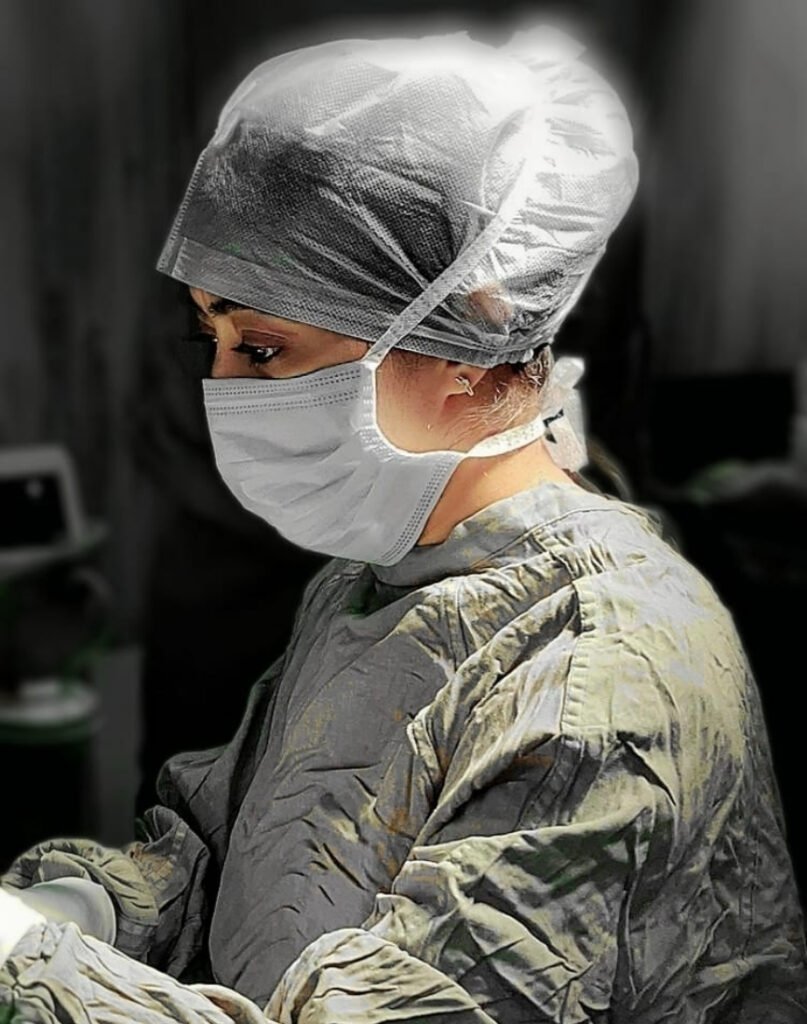
Salivary gland cancers demand not just removal of the tumor, but precision to preserve the nerves and restore your appearance and confidence. My goal is to heal without compromising who you are.
~ DR. NATASHA LALWANI
Salivary gland cancers demand not just removal of the tumor, but precision to preserve the nerves and restore your appearance and confidence. My goal is to heal without compromising who you are.”
~ DR. NATASHA LALWANI
Noticed a Lump Near Your Jaw or Neck?
Don’t wait and watch - early treatment is key.
Book your appointment with Dr. Natasha today for expert evaluation and care.