THYROID CANCER CARE SURGERY TREATMENT
THYROID CANCER CANCER CANCER
Best Thyroid Cancer Surgeon in Ahmedabad
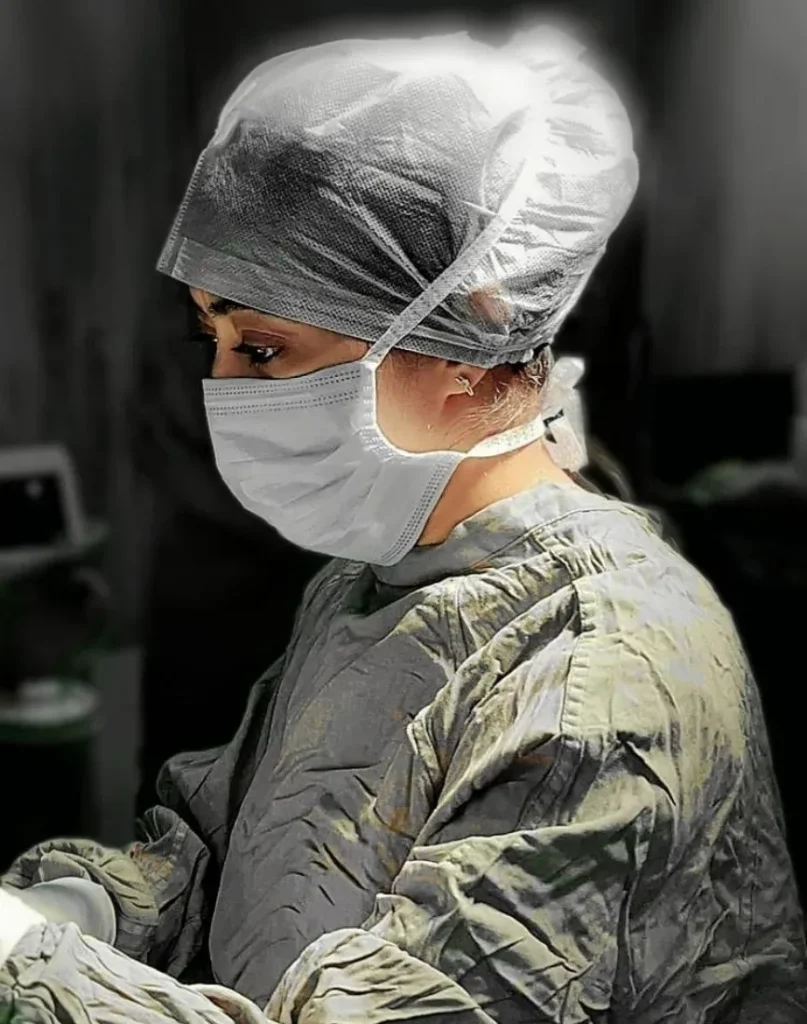
Dr. Natasha Lalwani, recognized as the best thyroid cancer surgeon in Ahmedabad, provides expert care for thyroid cancer, including early detection, precise surgical removal, and long-term follow-up to ensure recovery and thyroid function preservation.
What is THYROID cancer?
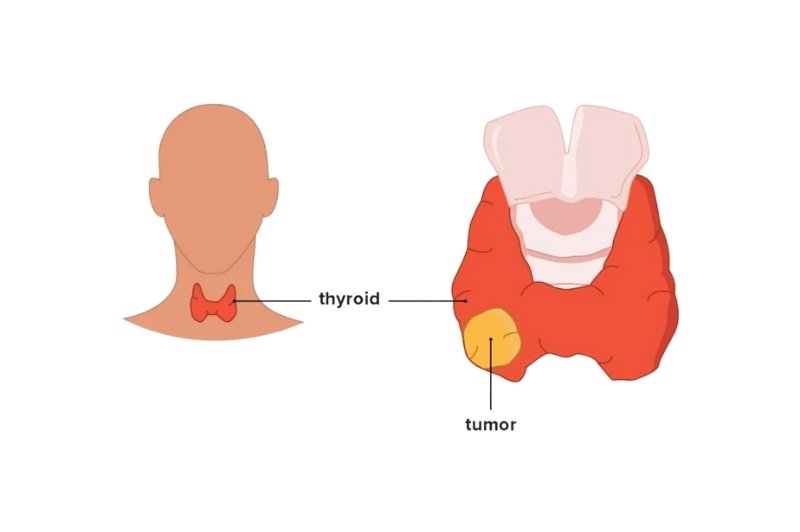
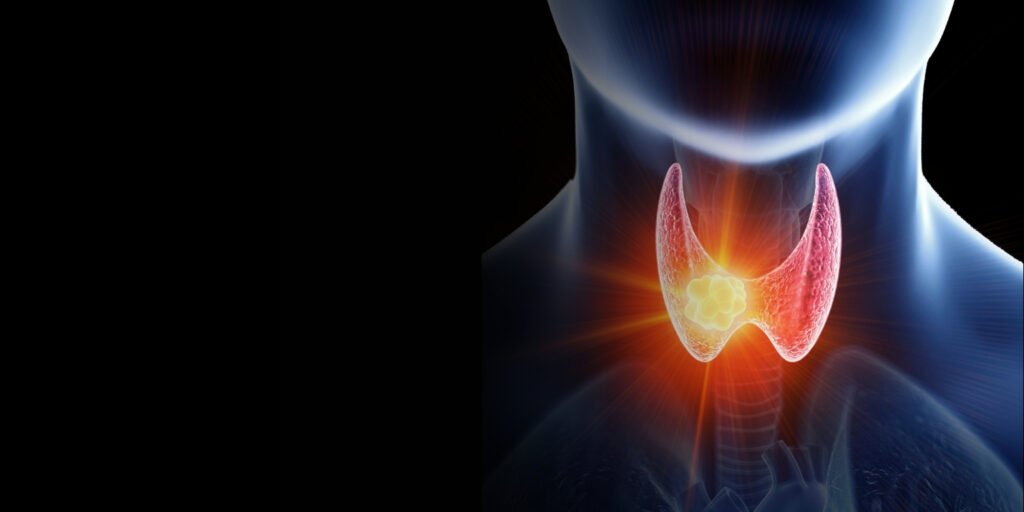
Thyroid cancer develops in the thyroid gland, located at the base of the neck, which plays a vital role in regulating metabolism, energy, and hormone balance. While most thyroid nodules are benign, malignant thyroid tumors require timely thyroid cancer surgery for effective treatment. Early detection and proper management by an experienced Thyroid Cancer Specialist can help preserve thyroid function, reduce complications, and improve
THYROID CANCER
Signs & Symptoms
Thyroid cancer originates in the thyroid gland at the base of the neck and may not show noticeable symptoms in its early stages. Early diagnosis and treatment by the best thyroid cancer surgeon in Ahmedabad are crucial for timely intervention and achieving optimal outcomes.
Hoarseness or Voice Changes
Constant voice alteration due to tumour compression on the vocal cords.
Difficulty Swallowing (Dysphagia)
A sense of narrowing or blockage during eating or drinking.
Lump or Nodule in the Neck
This painless or hard swelling at the front of the neck can grow as time goes by.
Neck Pain
Discomfort or pain in the front of the neck or radiating to the jaw or ears.
Swollen Lymph Nodes
The enlarged lymph nodes in the neck could be a sign of cancer spread.
Difficulty Breathing
Large tumours can bulge into the windpipe, causing shortness of breath.
THYROID CANCER
CAUSES & RISK FACTORS
Thyroid cancer is influenced by genetic, environmental, and lifestyle factors, along with underlying medical conditions.
Radiation Exposure
Past exposure to radiation in the neck or head increases thyroid cancer risk.
Age & Gender
Women are more likely, generally in the age group of 30-50.
Medical Conditions
Such diseases as goitre or nodules of the thyroid gland can predispose to cancer.
Hormonal Factors
Tumour development may be affected by thyroid functioning and hormonal imbalances.
Lifestyle Factors
The thyroid may be indirectly influenced by smoking, inappropriate diet and chronic stress.
Weak Immune System
The immunocompromised tend to be subjects of abnormal cell growth.
Treatment Options for Thyroid Cancer
Thyroidectomy (Partial/Total)
Lymph Node Dissection
Radioactive Iodine Therapy (RAI)
Hormone Replacement Therapy
Voice & Nerve Preservation Techniques
Treatment Options for Thyroid Cancer
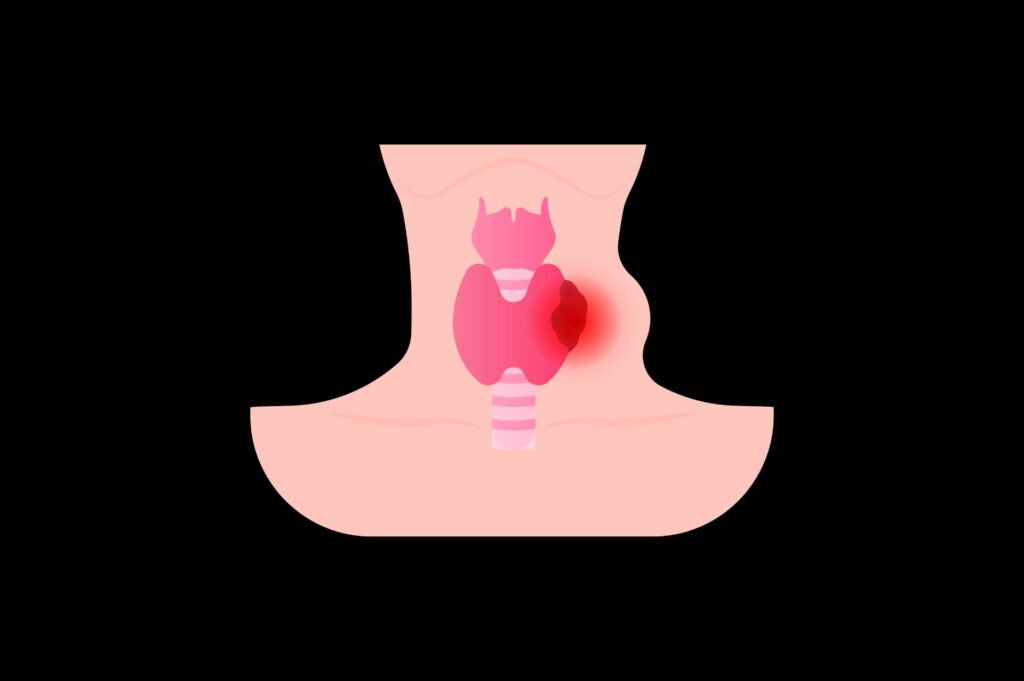
Thyroidectomy (Partial/Total)
Lymph Node Dissection
Radioactive Iodine Therapy (RAI)
Hormone Replacement Therapy
Voice & Nerve Preservation Techniques
Surgical Resection & Reconstruction
Surgery is the mainstay of thyroid cancer treatment, focusing on complete removal of the tumor while preserving vital functions such as speech, swallowing, and calcium regulation. The surgical approach is determined by factors including the tumor’s size, location, and whether the cancer has spread to nearby tissues or lymph nodes, ensuring effective treatment and optimal patient outcomes.
Lobectomy (Hemi-thyroidectomy) – Removal of one lobe of the thyroid, often performed for smaller or early-stage cancers. This helps preserve part of the thyroid gland’s function.
Total Thyroidectomy – Removal of the entire thyroid gland when cancer is large, aggressive, or present in both lobes. Patients usually need lifelong thyroid hormone replacement therapy.
Neck Dissection – Removal of lymph nodes in the neck if the cancer has spread beyond the thyroid, reducing the chance of recurrence.
Extended Resection – In rare advanced cases, surrounding structures such as the trachea, esophagus, or muscles may also be partially removed for complete tumor clearance.
Local Flap Reconstruction – Small soft tissue defects after surgery can be closed with nearby muscle or skin to restore neck contour.
Regional Flap Reconstruction – If larger portions of tissue are removed (like muscle or skin), tissue from the chest (pectoralis major flap) or other nearby regions can be used to cover and protect vital structures.
Free Flap Reconstruction (Microvascular Surgery) – In complex or advanced resections, tissue from distant sites (such as forearm, thigh, or fibula bone) can be transplanted to rebuild the neck area, support airway, and maintain swallowing function.
Voice Rehabilitation – Since the recurrent laryngeal nerve may be affected, speech therapy or procedures can help restore clear communication.
Swallowing Support – Patients may need swallowing exercises to adapt after surgery, especially if surrounding tissues were removed.
Calcium & Hormone Management – If the parathyroid glands are affected, calcium and vitamin D supplements may be necessary, along with thyroid hormone replacement.
Emotional & Psychological Support – Changes in lifestyle, voice, or appearance can be challenging, so counseling and support groups help in recovery.
Why Choose Dr. Natasha Lalwani for Thyroid Cancer Treatment?
Thyroid cancer is often treatable when diagnosed early. My role as a surgeon is not only to remove the disease, but to do so safely - while protecting your voice, appearance, and quality of life.
~ DR. NATASHA LALWANI
Thyroid cancer is often treatable when diagnosed early. My role as a surgeon is not only to remove the disease, but to do so safely - while protecting your voice, appearance, and quality of life.
~ DR. NATASHA LALWANI
Notice a Lump or Voice Change?
Early evaluation is key.
Book your consultation with Dr. Natasha for expert thyroid cancer diagnosis and care.
Frequently Asked Questions About THYROID CANCER Treatment
Find answers to the most common questions about thyroid cancer, including early signs, diagnostic tests, treatment options, surgical procedures, and post-treatment care. Consult with a leading Thyroid Cancer Specialist in Ahmedabad to understand your options, clarify doubts, and make confident decisions for effective care and long-term health.
Early signs of thyroid cancer can include a lump or swelling in the neck, persistent hoarseness, difficulty swallowing, or unexplained neck pain. Not all thyroid nodules are cancerous, but noticing these symptoms early and consulting a thyroid cancer specialist in Ahmedabad can lead to timely diagnosis and treatment.
Thyroid cancer is diagnosed through a combination of physical examination, ultrasound imaging, blood tests, and fine-needle aspiration (FNA) biopsy. Early and accurate diagnosis by an experienced thyroid cancer surgeon ensures proper treatment planning and better outcomes.
Treatment for thyroid cancer typically involves surgery to remove the tumor, sometimes combined with radioactive iodine therapy or hormone replacement. The approach depends on the type, size, and stage of the cancer. Consulting a skilled thyroid cancer specialist in Ahmedabad helps in selecting the most effective treatment.
Thyroid cancer surgery is generally safe when performed by an experienced surgeon. The procedure aims to remove the tumor while preserving essential functions such as speech, swallowing, and calcium balance. Post-surgical care and follow-up are important for optimal recovery and long-term health.
Recovery time varies depending on the type of surgery and additional treatments. Most patients can resume normal activities within a few weeks, but regular follow-ups and monitoring of thyroid hormone levels are essential. Early intervention ensures faster recovery and reduces the risk of complications.
While some risk factors like genetics cannot be changed, maintaining a healthy lifestyle, avoiding excessive exposure to radiation, and regular neck check-ups can help in early detection. Consulting a thyroid cancer specialist in Ahmedabad for regular screening is recommended for high-risk individuals.
Dr. Natasha Lalwani is a renowned thyroid cancer surgeon in Ahmedabad with extensive experience in diagnosing and treating thyroid cancer. She provides personalized treatment plans, advanced surgical care, and ongoing support to preserve essential functions like speech, swallowing, and hormone balance, ensuring the best possible outcomes for her patients.